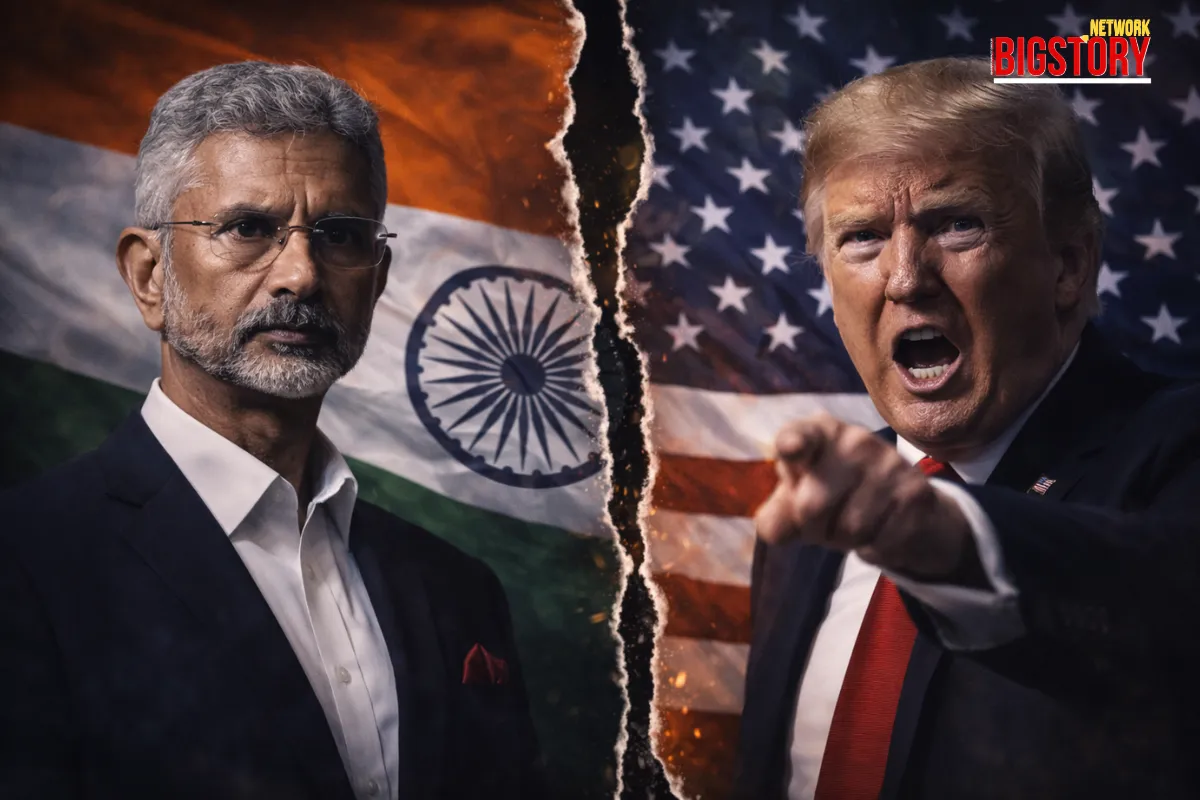
Just 24 hours after India celebrated a diplomatic carve-out to secure its energy supply, the US President threatens devastating tariffs against any ally refusing to join a military blockade-breaking coalition in the Persian Gulf.
 Sseema Giill
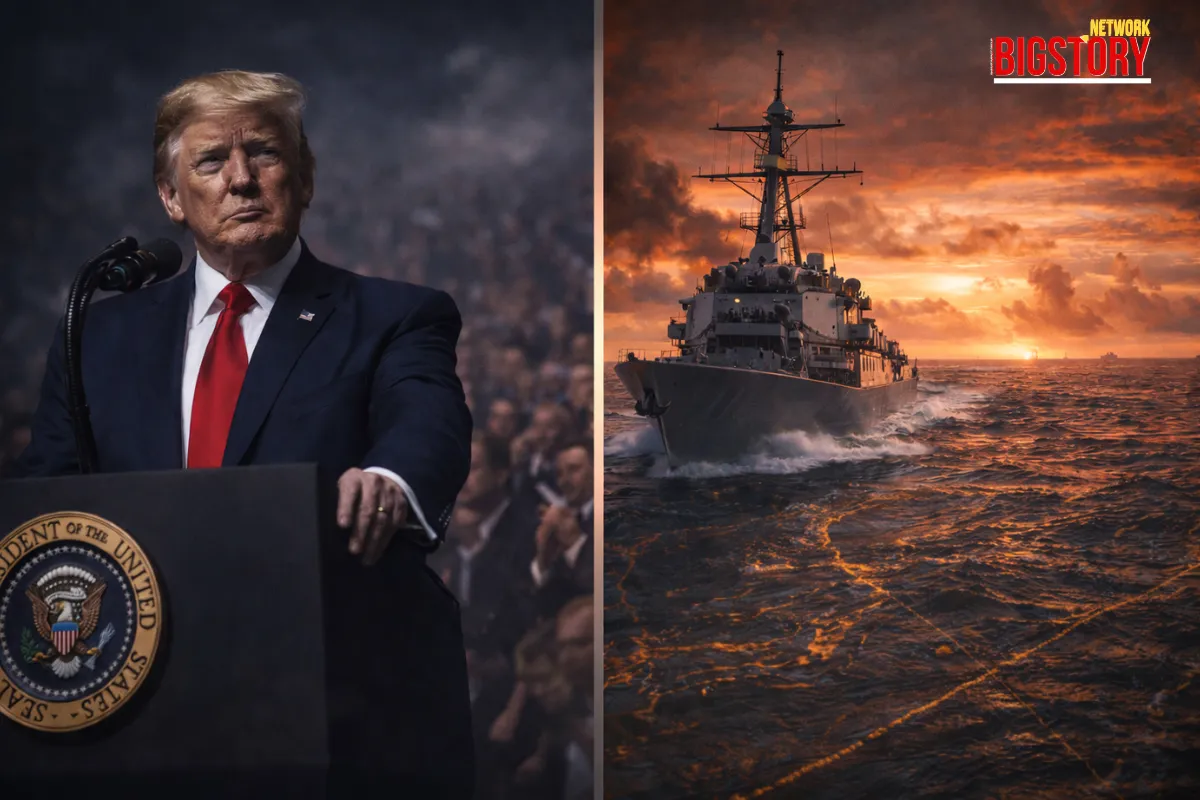
What happened: US President Donald Trump demanded that global allies join a military coalition to break the Iranian blockade of the Strait of Hormuz, threatening severe economic retaliation against nations striking independent deals with Tehran.
Why it happened: The ultimatum is a direct response to countries like India successfully negotiating bilateral safe-passage exemptions with Iran, which Washington views as undermining the global embargo.
The strategic play: Trump is weaponizing his control over the US market and global tariffs to force neutral nations out of their "multi-aligned" stance and into the US military camp.
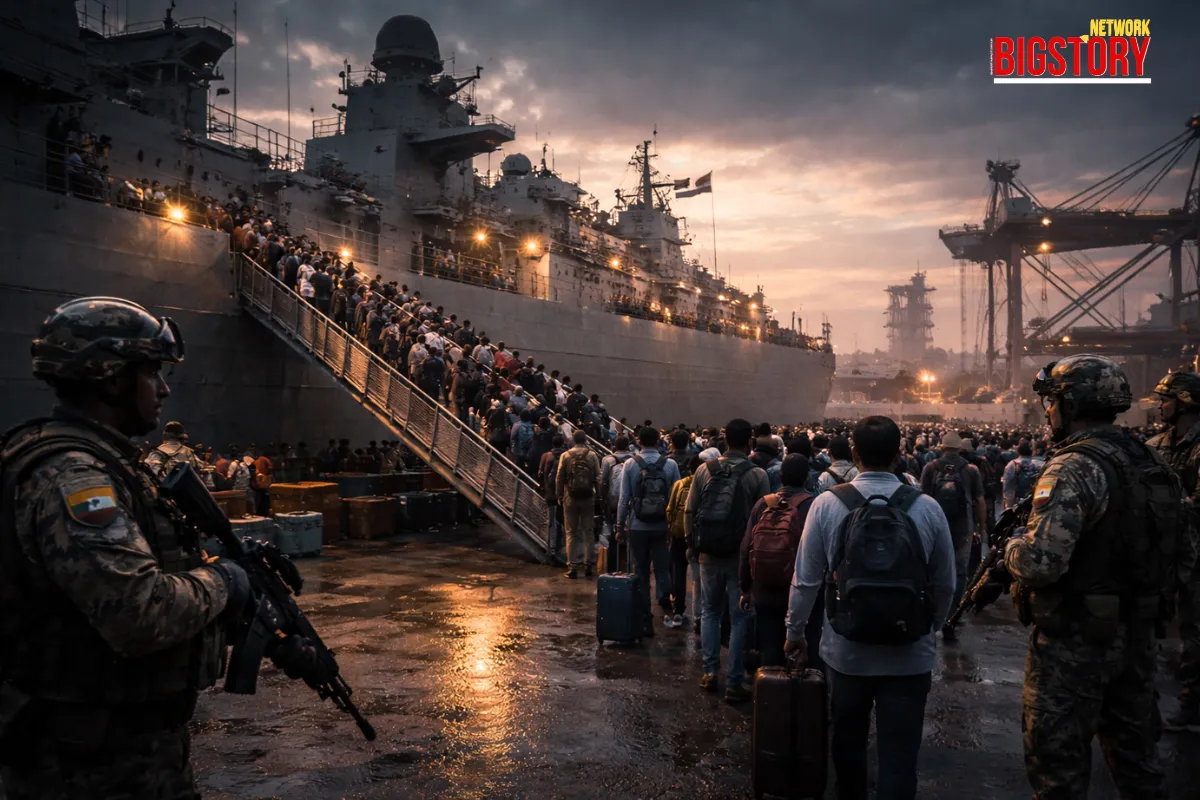
India's stake: India is caught in an impossible trap: abandon its crucial diplomatic lifeline with Iran and face an immediate energy crisis, or defy Washington and face devastating tariffs on Indian exports.
The deciding question: Will New Delhi bow to US pressure and join the naval coalition, or will it risk an all-out trade war to protect its sovereign energy interests in the Middle East?
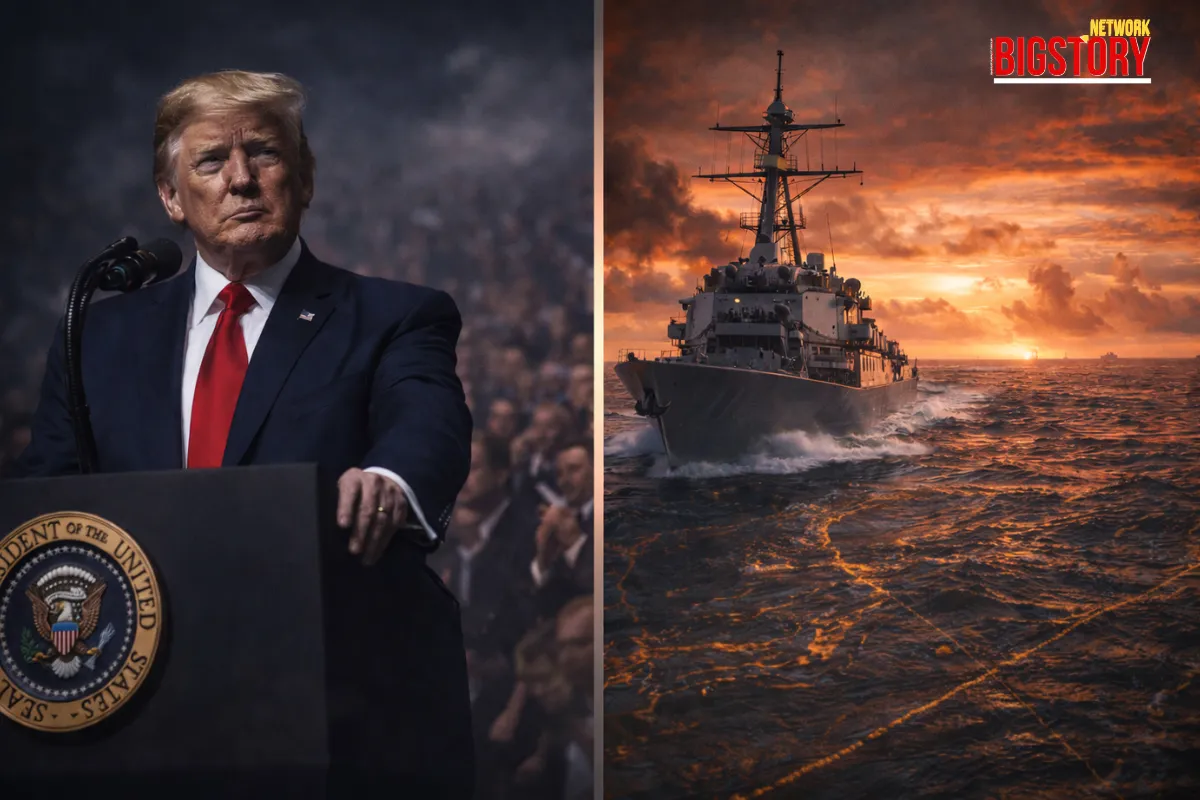
The geopolitical tightrope India has been walking in the Middle East just snapped. On Monday evening, US President Donald Trump delivered a forceful televised address that fundamentally alters the stakes of the ongoing war, demanding that global allies immediately contribute to a US-led military coalition to forcefully reopen the Strait of Hormuz.
In a stark ultimatum that directly targets New Delhi's recent diplomatic maneuvering, the US President warned that any nation striking "backroom survival deals" with Tehran will face severe, immediate economic consequences from Washington. The address effectively forces a brutal choice upon the developing world: join the American military coalition, or face the wrath of US sanctions and crippling tariffs.
Donald Trump, President of the United States President Trump has dramatically escalated the diplomatic crisis by demanding total allegiance to a US-led military operation. His threat to weaponize tariffs against non-compliant nations directly endangers India's "multi-aligned" foreign policy, declaring that nations are either with the free world or funding terror by making side deals in the dark.
The US Department of the Treasury Operating under White House directives, the Treasury is tasked with drafting a new sweeping package of secondary sanctions. These measures will specifically target any foreign entities, central banks, or shipping registries that utilize independent bilateral arrangements to transit the blockaded Strait of Hormuz.
Ministry of External Affairs (MEA), India New Delhi is caught squarely in the crosshairs of Trump's ultimatum. Having just secured a critical energy lifeline to feed its massive population, the MEA must now decide whether to abandon its neutral stance, or risk a devastating trade war with its largest export partner.
Global media is intensely focused on the mobilization of the US Fifth Fleet, the terrifying potential for a direct naval clash between American destroyers and IRGC fast-attack craft, and the stark reluctance of European NATO members to commit warships. In India, the media has largely treated the successful negotiation with Iran as a closed chapter of victory.
This framing misses the existential threat now hovering over the Indian economy. Trump's ultimatum has instantly turned India's diplomatic win into a massive strategic liability. By demanding active participation in a military coalition and specifically targeting "side deals," the US is attempting to force India into an impossible binary: immediate energy survival versus long-term economic prosperity.
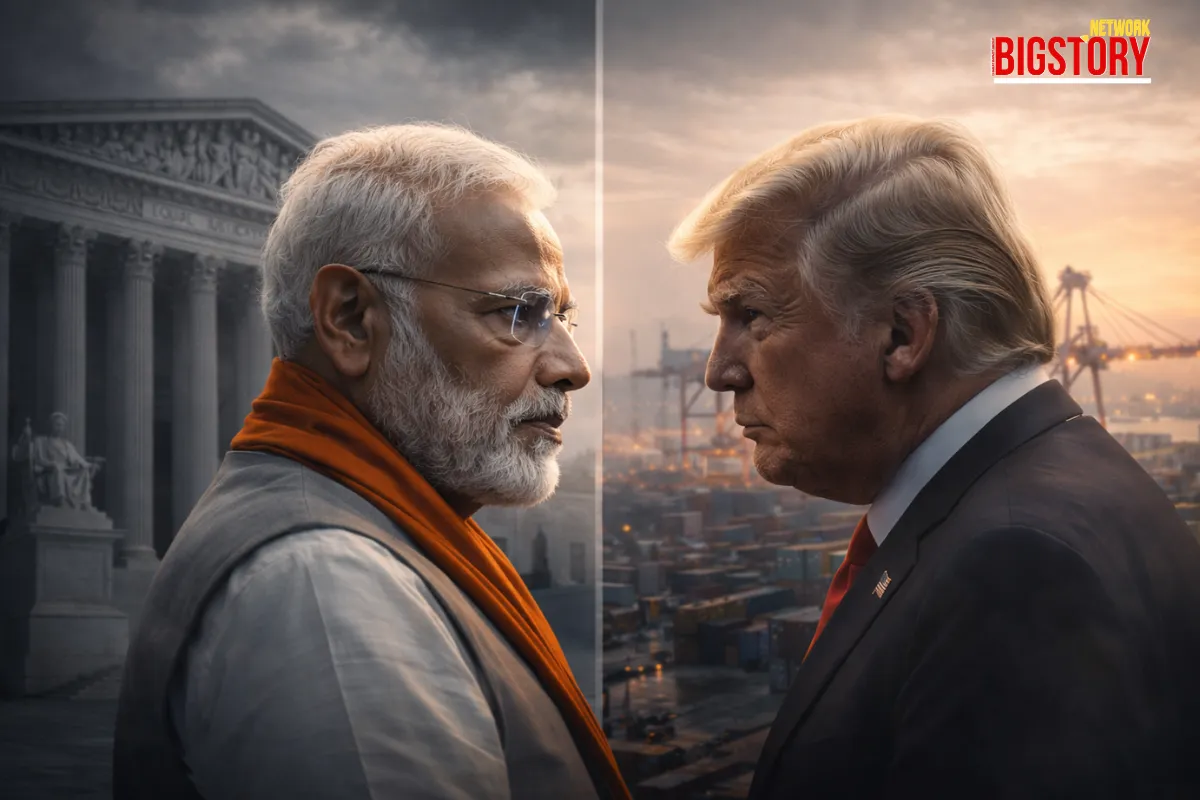
Washington is effectively holding the stalled bilateral trade deal hostage, demanding military compliance in the Persian Gulf as the price of admission to the American market. For a nation that prides itself on strategic autonomy, this is the ultimate test. You cannot remain non-aligned when the world's largest superpower threatens to tank your export economy for refusing to pick up a rifle.
If the United States views India's diplomatic survival tactics as an act of economic betrayal, is the era of Indian strategic autonomy officially over?
 Exclusive Content



Sign up for the Daily newsletter to get your biggest stories, handpicked for you each day.

 Trending Now! in last 24hrs